
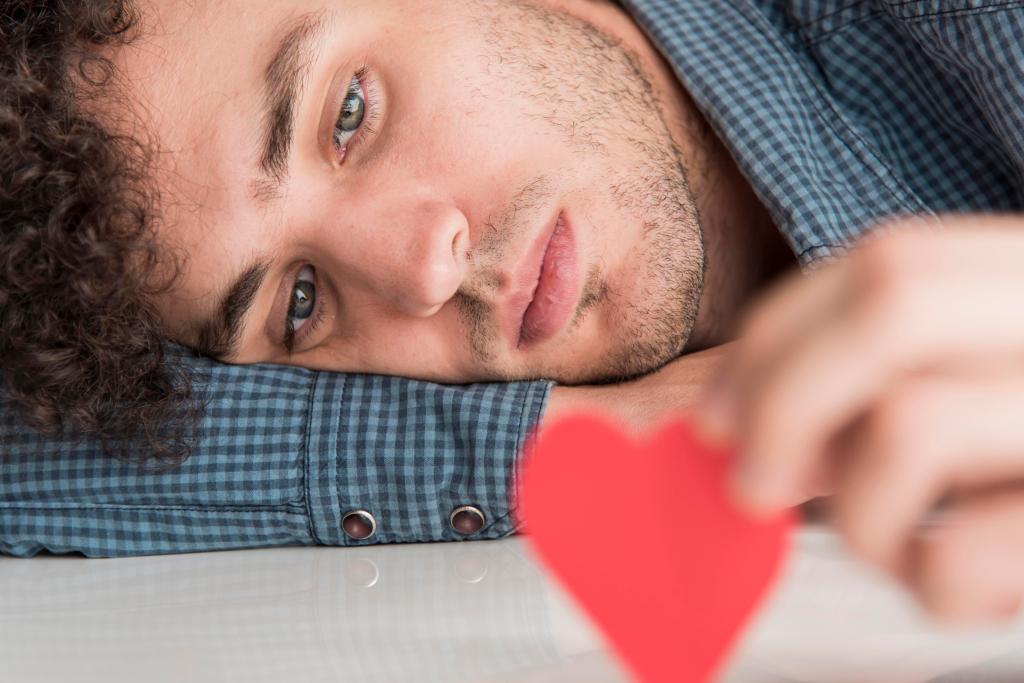
Addicted to Love and Recovering with Self-Esteem
For some of us, other people may be more addicting than the strongest heroin the streets can produce. While love addiction strikes both sexes, women seem far more susceptible to the allure of an emotionally, and sometimes, physically abusive mate.
The origins of such obsessions are complicated, but there are some common threads. Generally, love addicts grow up in emotionally cold or abusive families and therefore attempt to recreate known patterns learned from their families of origin through romantic relationships. So, if you come from a toxic family, then you create what is known to you: toxic relationships. From the bitter roots of such dysfunctional beginnings grows the destructive fruit of crippling low self-esteem.
Therapist Robin Norwood wrote in her book, Women Who Love Too Much, about how people become hooked on destructive relationships: “Typically, you come from a dysfunctional home in which your emotional needs were not met. Having received little real nurturing yourself, you try to fill this unmet need vicariously by becoming a caregiver, especially to men who appear, in some way, needy. Because you were never able to change your parents into the warm, loving caretakers you longed for, you respond deeply to the familiar type of emotionally unavailable man whom you can again try to change, through your love. Terrified of abandonment, you will do anything to keep a relationship from dissolving.
Accustomed to lack of love in personal relationships, you are willing to wait, hope, and try harder to please. Your self-esteem is critically low, and deep inside you do not believe you deserve to be happy. Rather, you believe you must earn the right to enjoy life. You have a desperate need to control your men and your relationships, having experienced little security in childhood. You mask your efforts to control people and situations as ‘being helpful.’ You are addicted to men and to emotional pain. By being drawn to people with problems that need fixing, or by being enmeshed in situations that are chaotic, uncertain, and emotionally painful, you avoid focusing on your responsibility to yourself. You may have a tendency toward episodes of depression, which you try to forestall through the excitement provided by an unstable relationship. You are not attracted to men who are kind, stable, reliable, and interested in you. You find such ‘nice’ men boring.”
When I counsel my clients who are struggling with destructive relationships, I ask them what these relationships cost them. Their answers often include, completing my education, getting physically and mentally healthy, being happy, losing 50 pounds, and my sanity.
One of the first steps in recovery from addictive relationships is to admit that there is a problem from which you are powerless to control. Then seek help through the various channels of self-education, professional counseling, spiritual guidance, support groups, friends, and healthy family members. Begin to start facing your own personal problems rather than becoming distracted into saving the person in the headlights of your obsessions. And most importantly, learn healthy self-care by putting your plans, goals, and desires in the forefront of your life.
Famed psychologist Erich Fromm wrote on relationships, “If an individual is able to love productively, he loves himself too; if he can love only others, he cannot love at all.”


Serving Dripping Springs, Texas and Surrounding Austin & Hill Country Communities



 Leslie Tourish LPC
You must be logged in to post a comment.